
It can be hard to know when you should consider moving to a care home.
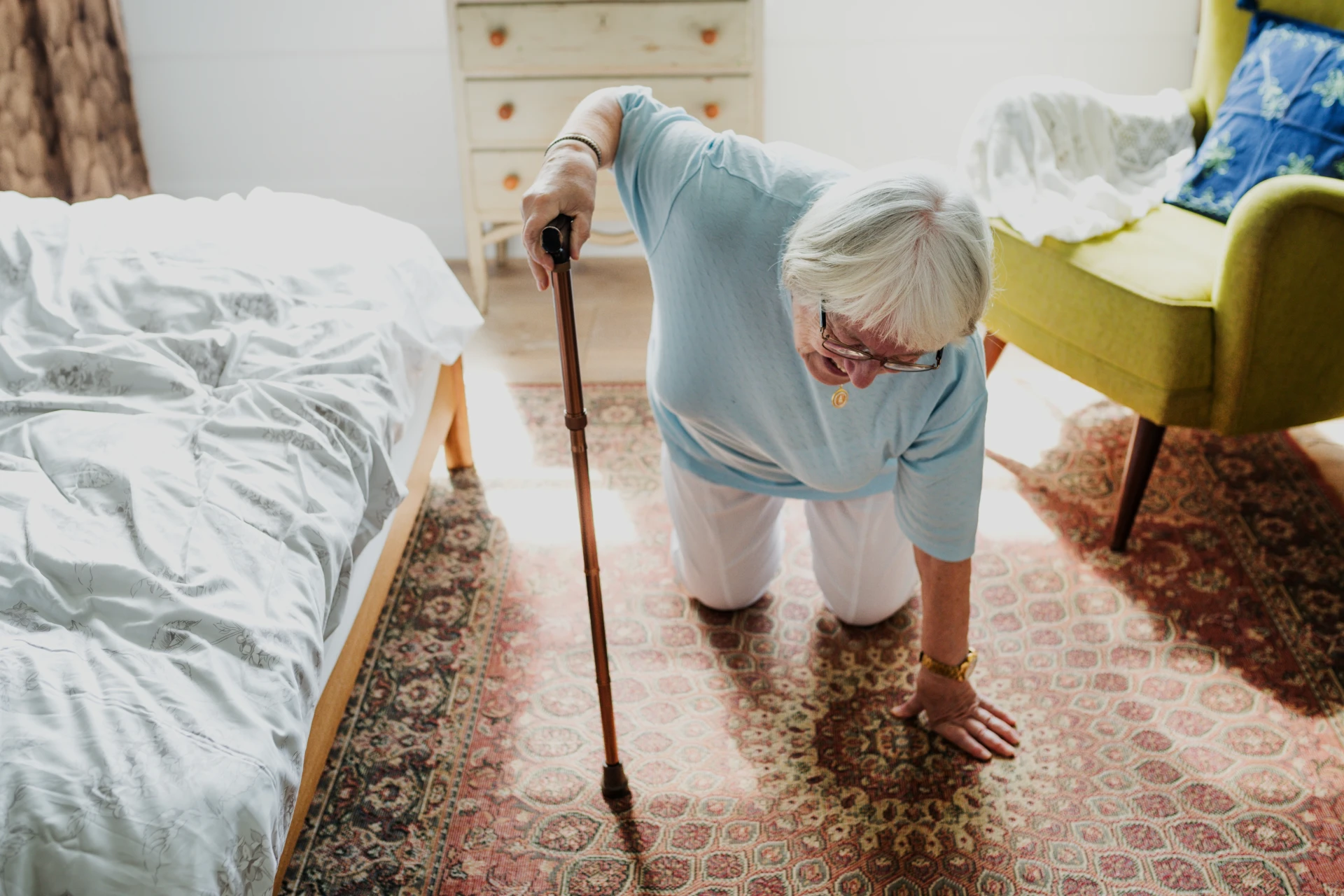
Whether you’re a family carer or you’re looking for care for yourself, you might not feel ready yet. However, you also don’t want to wait too long, especially if you’re struggling. Staying at home could lead to falls, self-neglect, and isolation.
If the time is right, finding a care home doesn’t have to be difficult. Find Your Room makes it simple to search for a list of available places in local care homes, nursing homes, and supported living schemes.
In this article, we’ll look at whether care homes are the best choice for you or your loved one, and talk about the right time to move into a care home.
Is a care home the right choice?
A care home might be the right choice for someone who can no longer manage to live at home. They might struggle to care for themselves, have mobility difficulties or memory issues, or feel very isolated when living alone.
We often picture care homes as a place for older people. In the last census, more than 270,000 people over 65 were living in care homes – and more than half of these were 85 and over. This means that care homes are a great place for older people to socialise with people of a similar age, and reduce isolation.
However, care homes aren’t just for older people. Many younger adults also live in care homes – mostly adults with complex health conditions or learning disabilities.
Care homes can help residents with:
- Personal care, such as washing, dressing, and going to the toilet
- Medication management
- Accessing activities, such as classes or daytrips
Care homes also provide meals for residents, and take care of all of housekeeping tasks, including laundry. If you or your loved one can’t manage these tasks at home, a care home could be the right choice.
Care homes aren’t the right solution for everyone, though. For people who need more support, including nursing care, a nursing home might be the right choice. Like care homes, nursing homes provide personal care and activities for clients. However, they also have least one qualified nurse on duty at all times, and can support clients with complex health conditions.
The right time to move into a care home
Everyone is different, so there’s no one-size-fits-all answer about when a person should go into a care home. In general, you need to ask yourself if you have concerns about your safety, health and hygiene. Are you able to carry out your day-to-day activities yourself, or do you need some help? Are you at risk of falling? Are you eating and drinking well?
You may not be able to continue living safely in your home if you are older and your health and mobility are declining. Alternatively, you might be looking for a care home for a younger person with health issues or a learning disability. As young people with care needs grow, their families often find it hard to continue caring for them at home.
Let’s look at both of these scenarios in more detail.
Care homes for older people
You don’t need to move to a care home simply because you’ve got a diagnosis of dementia, or because you’ve turned 80. However, if you’re struggling to look after yourself at home, or finding it hard to keep up with your daily activities, it might be time to consider residential care.
If you support a family member, you might have noticed that they seem more withdrawn than usual. Perhaps they’re losing weight because they struggle to go shopping or prepare food. Maybe you need to help them with personal care, or they’ve fallen and hurt themselves at home.
Choosing residential care can be a difficult and emotional decision – but sometimes it’s necessary.
Is it the right time to move to a care home?
- Do you find it hard to care for yourself at home? You might struggle with having a bath or shower, going to the toilet, or taking your medication.
- Do you forget to eat or drink throughout the day? You might find it difficult to prepare food, or you might choose to avoid eating or drinking so that you don’t have to get up to go to the toilet.
- Do you struggle with keeping up with the running of your home? You may find it hard to do the housework, shopping, or gardening.
- Do you find it hard to get out of the house, or feel lonely at home? Perhaps you’ve cut back on visiting friends or going to church, and you’re feeling isolated.
- Have you fallen or injured yourself at home? If you’re no longer safe in your home, a care home could be a good solution.
- Do you struggle to move around your home, or do you need to make significant changes to your home so that it’s accessible? Perhaps you can’t get up the stairs without help and need to install a downstairs bathroom, or you need to widen doorways to fit a wheelchair.
- Do you live alone, and sometimes need help when no one else is there? Have you considered what you would do if you needed support during the night, or when you couldn’t contact a friend or family member?
- If you usually get help from a family member or friend, are they no longer able to help you? Family and friends may not always be able to support you, especially if they’re older or frail themselves.
- Has a hospital discharge co-ordinator said it will be hard for you to leave hospital and go back to your previous home? If you’ve been ill or had an injury, it may not be safe for you to return home.
If you’ve answered yes to any of these questions, it might be time to find a care home near you.
Even if it feels early, sometimes it’s better to look for suitable residential facilities before you really need to move. You can find care homes near you, and make the decision yourself. If you wait too long, you might end up ill or injured, and your family or social worker will need to find care home vacancies quickly.
Care homes for younger people
If you’re the parent or carer of a young person with complex health needs or a learning disability, you may have looked after them at home for their entire life. Depending on their age and their needs, you may have fought to keep them at home when they were younger. You might feel guilty for considering care homes now.
However, many young people thrive in residential care. It may help them feel more independent, and lots of younger care home residents enjoy spending time with people of the same age.
It’s also important to think about the future. If you became ill or died suddenly, who would support your loved one? They might be shuttled between family members, or moved quickly into an unsuitable residential facility. If you look for a good care home now, you can ease the transition and help them settle into their new home.
When should a young person go into a care home?
- Does the young person have complex health needs, a learning disability, or another condition that means they would struggle to live independently? If you’re confident that the person could not live alone or needs more help than they’d receive in a supported living scheme, a care home could be the right choice.
- Have their health and care needs increased recently? When someone’s needs increase, it can be harder for a family carer to provide everything they need.
- Do they enjoy socialising with other people their age? In a suitable care home, they would be able to spend time with other young people in a similar situation.
- Am I struggling to provide the care they need? You might find it hard to lift or transfer your loved one as they grow, for example. In a care home, they’d be supported by multiple staff members, with appropriate training.
- Do they display challenging behaviours? Your loved one may be aggressive towards others, injure themselves, or attempt to run away. It may become harder for you to handle these behaviours as you age – and as the young person gets stronger.
- Am I the young person’s sole carer? If your young person doesn’t have a large support system, you might worry about what would happen to them if you couldn’t help them.
- Has a hospital discharge co-ordinator said they would prefer to discharge the person into a care home? If your loved one has been in hospital, their needs might have increased.
If you’ve answered yes to any of these questions, it might be time to look for a care home for your young person.
Do I have to move to a care home?
Moving to a care home isn’t compulsory, even if you have a dementia diagnosis or have mobility difficulties. Lots of people continue living in their own home, sometimes with support from family members.
If you need more support than your family can offer, but don’t feel ready for a care home, you could look into home care (also known as domiciliary care), where care workers visit your home to help you during the day or night.
Alternatively, you could consider supported living, where you can live independently with some support from carers.
Who makes the decision about moving into a care home?
If the person has the mental capacity to make decisions, they will need to decide for themselves whether they move to a care home or stay in their current property.
Even if you have a diagnosis of dementia or a learning disability, you can’t be forced to move to a care home if you have mental capacity. You are allowed to make your own decisions.
However, you can’t make a family member or friend care for you. If they aren’t able to support you, or choose not to, you may need to arrange alternative support. Additionally, if your loved ones believe that you’re neglecting yourself, they can contact the local authority safeguarding team, who may encourage you to reconsider.
If your loved one doesn’t have mental capacity, you may need to make the decision for them. You, or your loved one’s attorneys, will need to involve the person as much as possible, and try to put your own personal preferences aside. Try to put yourself in your loved one’s shoes: is a move the best decision for them at this time?
Conclusion: When is the right time to move into a care home?
Finding a care home can be a difficult and emotional decision. Whether you’re looking for yourself or a loved one, you don’t want to feel that you’re giving up your independence too early – but you also don’t want to run the risk of being unsafe in your current home.
To decide whether it’s the right time to move to a care home, consider whether you have safety concerns. Does the person have care needs, and are you struggling to support them? Finally, are they at risk of becoming isolated? If you’ve answered yes to those questions, it might be time to consider residential care.
If you’re ready to look for a care home, Find Your Room is here to help. With a database of currently-available care home places, you can find your perfect home with just a few clicks.